
How Can Balanced Animal Feed Improve Animal Immunity and Growth?
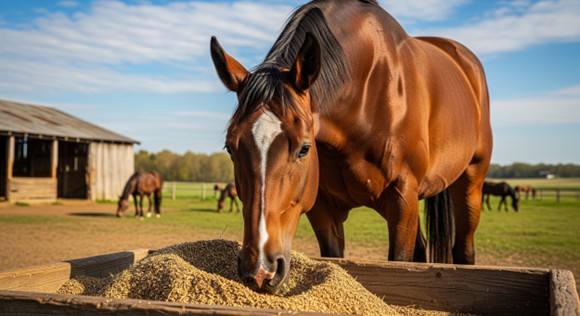
The foundation of healthy, thriving animals lies in the quality of nutrition they receive daily. Animal feed manufacturers have made significant strides in developing scientifically formulated feeds that go beyond basic sustenance to actively enhance immunity and promote optimal growth. Whether raising livestock for commercial purposes or caring for beloved pets, understanding the role of balanced nutrition is crucial for anyone responsible for animal welfare. Quality feed does more than fill stomachs—it builds strong immune systems, supports rapid development, and ensures animals reach their full genetic potential.
Understanding Balanced Nutrition
Balanced animal feed contains the precise combination of proteins, carbohydrates, fats, vitamins, minerals, and water that animals need for their specific life stage and purpose. Unlike simple grains or single-ingredient feeds, balanced formulations are designed based on extensive research into animal nutritional requirements. Each component serves a specific purpose in maintaining health and supporting growth.
The science behind feed formulation considers factors such as the animal’s age, breed, activity level, and production goals. Young animals require different nutrient ratios than mature ones, while pregnant or lactating animals have elevated nutritional needs. This precision in formulation ensures that every animal receives exactly what its body requires.
The Link Between Nutrition and Immunity
A strong immune system is an animal’s first line of defense against diseases, parasites, and environmental stressors. Balanced feed plays a vital role in building and maintaining this natural defense mechanism. When animals receive adequate nutrition, their bodies produce sufficient antibodies, white blood cells, and other immune components that fight off pathogens.
Micronutrients like vitamins A, E, and C are particularly important for immune function. Vitamin A supports the integrity of mucosal barriers in the respiratory and digestive systems, preventing pathogen entry. Vitamin E acts as an antioxidant, protecting cells from damage, while vitamin C enhances white blood cell function. Minerals such as zinc, selenium, and copper also contribute to immune response by supporting enzyme systems involved in disease resistance.
Research consistently shows that animals fed balanced diets experience fewer illness episodes and recover more quickly when they do fall sick. This translates to reduced veterinary costs, lower mortality rates, and less need for antibiotics—a significant concern in modern animal agriculture. The economic benefits alone make investment in quality feed worthwhile for any animal operation.
How Balanced Feed Accelerates Growth
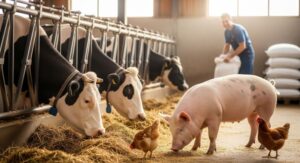
Growth performance in animals depends on multiple nutritional factors working in harmony. Protein quality is paramount, as amino acids serve as building blocks for muscle tissue, organs, and bone development. Dog food distributors and other specialized suppliers ensure that formulations contain appropriate protein sources with complete amino acid profiles for their target species. For example, canine feeds often include chicken meal, fish meal, or plant-based proteins formulated to match dogs’ digestive capabilities.
Energy content, primarily from carbohydrates and fats, fuels growth processes and daily activities. Animals need sufficient energy to support both maintenance functions and tissue synthesis. When energy intake falls short, the body prioritizes survival over growth, resulting in stunted development. Balanced feeds provide optimal energy levels without excess, preventing obesity while supporting healthy weight gain.
Feed conversion ratio (FCR) is a critical metric in animal production, measuring how efficiently animals convert feed into body mass. Animals consuming well-formulated balanced feeds typically demonstrate superior FCR compared to those on basic diets. This efficiency means farmers achieve desired market weights faster while using less feed, reducing both costs and environmental impact.
Growth Performance Comparison
Feed Type | Average Daily Gain | Feed Conversion Ratio | Time to Market Weight |
Basic Feed | 0.7 kg/day | 4.2:1 | 180 days |
Balanced Feed | 1.3 kg/day | 2.6:1 | 120 days |
Premium Balanced Feed | 1.5 kg/day | 2.2:1 | 105 days |
Essential Nutrients in Animal Feed
Understanding the role of each nutrient category helps appreciate why balanced formulations outperform simple feed options. Proteins provide amino acids necessary for tissue building and repair. Different protein sources offer varying amino acid profiles, which is why quality feeds often combine multiple protein ingredients.
Carbohydrates supply readily available energy for daily activities and metabolic processes. While simple sugars provide quick energy, complex carbohydrates offer sustained fuel release, supporting steady growth throughout the day. Fats serve dual purposes—they’re energy-dense nutrients and facilitate absorption of fat-soluble vitamins A, D, E, and K.
Vitamins and minerals, though required in smaller quantities, are equally crucial. B-vitamins support energy metabolism, vitamin D aids calcium absorption for bone development, and minerals like calcium and phosphorus build skeletal strength. Trace minerals including iron, manganese, and iodine support various enzymatic processes throughout the body.
Essential Nutrients and Their Functions
Nutrient Category | Primary Functions | Key Sources | Deficiency Symptoms |
Proteins | Muscle growth, tissue repair, enzyme production | Soybean meal, fish meal, alfalfa | Poor growth, muscle wasting, weak immunity |
Carbohydrates | Energy supply, digestive health | Corn, wheat, barley, oats | Low energy, poor performance |
Fats | Energy, vitamin absorption, cell membranes | Vegetable oils, animal fats, fish oil | Skin problems, poor coat, low energy |
Vitamins | Metabolism, immunity, vision, reproduction | Premixes, fresh greens, fortified grains | Disease susceptibility, poor growth, reproductive issues |
Minerals | Bone formation, enzyme function, nerve transmission | Limestone, dicalcium phosphate, salt | Bone weakness, poor growth, metabolic disorders |
Water | Digestion, temperature regulation, nutrient transport | Fresh, clean water sources | Dehydration, reduced feed intake, poor performance |
The Role of Probiotics and Additives
Modern balanced feeds often include beneficial additives that further enhance immunity and growth. Probiotics introduce helpful bacteria into the digestive system, improving nutrient absorption and crowding out harmful pathogens. These live microorganisms support gut health, which is increasingly recognized as central to overall immunity.
Prebiotics, typically fiber compounds, feed beneficial gut bacteria, creating an environment where healthy microbes thrive. Enzymes added to feed help animals break down nutrients more completely, extracting maximum value from every ingredient. Antioxidants protect feed quality during storage and also support animal health by neutralizing free radicals.
Specialized Formulations for Different Species
Not all animals have identical nutritional needs, which is why specialized formulations exist for different species and production purposes. Ruminants like cattle and sheep have unique digestive systems that can process fibrous materials, while monogastric animals such as pigs and poultry require more concentrated nutrients. Pet feeds must meet different criteria than livestock feeds, focusing on longevity and quality of life rather than market weight.
Quality manufacturers conduct extensive feeding trials to validate their formulations, ensuring that theoretical nutrient calculations translate to real-world results. They also adjust formulations based on ingredient availability, seasonal variations, and emerging research findings.
Economic and Health Benefits
Investing in balanced feed delivers returns through multiple channels. Healthier animals require less veterinary intervention, reducing medication costs and labor associated with treating sick animals. Faster growth rates mean animals reach market weight sooner, reducing overall feed costs despite higher per-unit feed prices.
Improved immunity means fewer disease outbreaks in herds or flocks, protecting both individual animals and preventing losses across entire operations. For pet owners, balanced nutrition extends lifespan and enhances quality of life, reducing long-term veterinary expenses associated with nutrition-related health issues.
Conclusion
Balanced animal feed represents a scientific approach to nutrition that recognizes the complex relationship between diet, immunity, and growth. Quality formulations from reputable manufacturers provide animals with precisely what they need to thrive, not merely survive. The investment in balanced feed pays dividends through healthier, faster-growing animals that reach their genetic potential while maintaining robust immune systems capable of resisting disease challenges. Whether managing a commercial operation or caring for companion animals, choosing balanced feed is one of the most impactful decisions for animal health and productivity.